


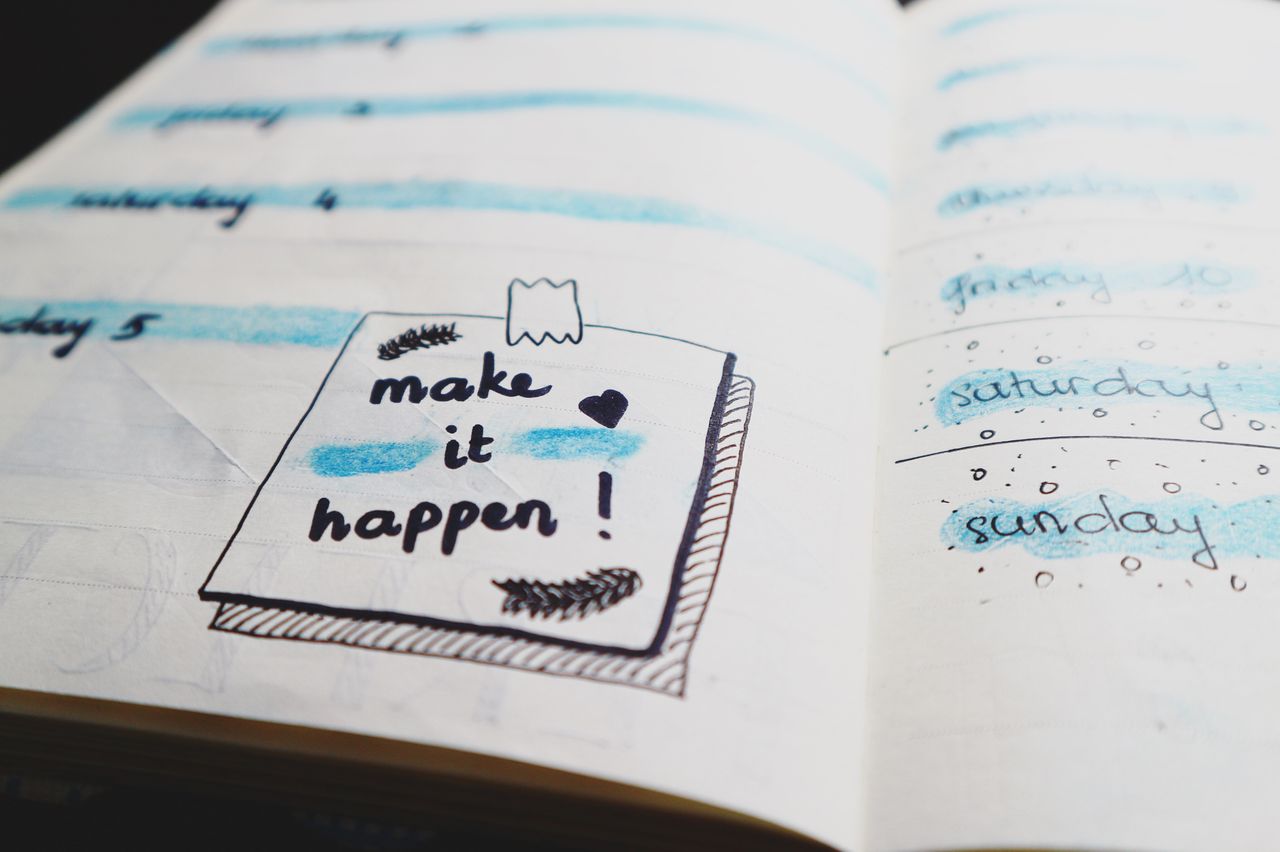
Productivity people love to argue about weekly planning vs. daily planning. The truth is they’re not competitors — they’re complementary layers, and you probably need both. The question isn’t which one wins. It’s how to use them together without turning your entire life into a series of planning ceremonies.
Research from Harvard Business Review found that professionals who plan both weekly and daily produce 25-30% more output than peers who plan only one — or neither. The magic is in the layering, not the individual practice.
What Weekly Planning Does
- Sets the week’s single most important priority.
- Defends calendar blocks for that priority.
- Identifies meetings to cancel, shorten, or async-ify before they eat the week.
- Aligns you with your quarterly goals so daily work doesn’t drift.
- Provides a mental frame that reduces reactive behavior all week.
Weekly planning answers: “What am I actually trying to accomplish this week?” Without it, every day becomes triage.
What Daily Planning Does
- Identifies the 1-3 things that must happen today.
- Maps your daily planning to specific calendar blocks.
- Anticipates the meetings on your Calendar and your prep needs.
- Sets a small commitment you can actually finish in the time you have allotted to yourself.
Daily planning answers: “What am I doing in the next 8 hours?” Without it, you drift from meeting to inbox to meeting.
The 20/5 Rule
The most sustainable version of this pairing:
- 20 minutes weekly. Sunday afternoon or Monday morning. Sets the frame for the week.
- 5 minutes daily. First thing in the morning. Confirms today’s 3 items.
25 minutes per week total. Compare to the 3-5 hours per week you’d lose to reactive drift without it. See Sunday planning ritual for the weekly template.
The Weekly Template
- Look back at last week. What worked? What didn’t?
- Set the single most important priority for next week.
- Scan the calendar. Cancel/shorten/async-ify anything low-value.
- Block 2 focus windows on the calendar for the priority.
- Set one personal anchor (workout, dinner, walk).
The Daily Template
- Confirm today’s top 3 tasks (Big / Medium / Small).
- Verify at least one focus block is protected.
- Note any meeting prep needed.
- Set the day’s single most important outcome.





Angela Ruth
My name is Angela Ruth. I aim to help you learn how Calendar can help you manage your time, boost your productivity, and spend your days working on things that matter, both personally and professionally. Here's to improving all your calendars and becoming the person you are destined to become!