


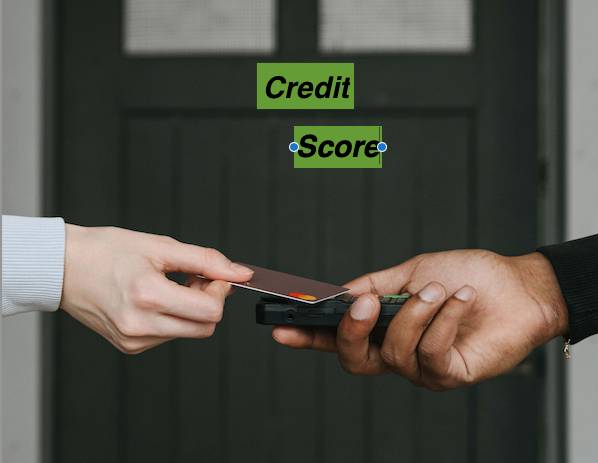
To improve your credit score in 90 days, add this goal to your Calendar, focus on the levers that move fastest: pay every bill on time, drop your credit utilization below 30% (ideally under 10%), dispute any errors on your credit report, and avoid new hard inquiries. You won’t jump from poor to excellent in three months, but these focused moves can produce a meaningful bump, sometimes enough to qualify for a better rate or loan, because they target the two biggest factors in your score.
The reason 90 days is realistic is that credit utilization updates monthly, so lowering your balances can show up on your score within a billing cycle or two. That makes it the fastest lever you can pull.
Key Takeaways
- Payment history is the biggest factor (about 35% of your FICO score), so never miss a due date.
- Utilization is second (about 30%), and lowering it works fast.
- Aim for under 30% utilization, and under 10% is even better.
- Dispute report errors, which can drag your score down unfairly.
- Avoid new hard inquiries and don’t close old accounts during this window.
What Actually Drives Your Score
Two factors dominate, which is good news when you’re short on time. Payment history makes up roughly 35% of your FICO score, and credit utilization, the share of your available credit you’re using, makes up about 30%. Together, that’s around two-thirds of your score, and both respond relatively quickly to action. The other factors (length of history, credit mix, and new credit) matter, but they move slowly, so they aren’t where you focus in a 90-day sprint.
“Patience and perseverance have a magical effect before which difficulties disappear and obstacles vanish.”
— John Quincy Adams
Your 90-Day Credit Improvement Plan
Here’s where to put your energy:
- Automate at least the minimum payment on every account so you never miss a due date.
- Pay down balances to get utilization under 30%, targeting your highest-utilization cards first.
- Ask for a credit-limit increase on a card you handle well, which lowers utilization instantly if you don’t spend more.
- Pull your credit reports and dispute any errors you find.
- Pause new applications, since each hard inquiry can ding your score temporarily.
A Realistic 90-Day Example
Consider an illustrative case. Bianca had a score in the low 600s, mostly because her two cards were nearly maxed out. Over 90 days, she set every account to autopay, aggressively paid down her balances from about 85% utilization to under 25%, and requested a credit-limit increase on her oldest card. She also found and disputed an error: a paid-off account still showing a balance.
By the end of the three months, her score had climbed meaningfully, enough to qualify for a car loan at a much better rate. She didn’t do anything exotic; she just hammered the two factors that matter most.
What to Avoid During This Window
A few well-meaning moves can backfire. Don’t close old credit cards, since that can shorten your average account age and reduce your available credit, both of which can hurt. Avoid applying for new credit unless necessary, because hard inquiries cause small temporary dips. And don’t fall for “credit repair” companies promising overnight miracles; everything they legally do, you can do yourself for free.
Frequently Asked Questions
How much can my credit score improve in 90 days?
It varies, but people with high credit utilization or a recent error often see the biggest jumps once they lower balances and fix mistakes. Don’t expect to go from poor to excellent, but a meaningful, useful improvement is realistic.
What’s the fastest way to raise my credit score?
Lowering your credit utilization is usually the fastest lever, since balances update monthly. Paying down cards or getting a credit-limit increase can improve your score within a billing cycle or two, as long as you keep paying on time.
Does checking my own credit lower my score?
No. Checking your own credit is a soft inquiry that never affects your score. Monitoring it regularly is smart and helps you catch errors that could be dragging your score down.
Should I pay off my credit card before the statement date?
It can help. Paying down the balance before the statement closes means a lower balance gets reported to the bureaus, which lowers your reported utilization and can boost your score.
The Bottom Line
You can meaningfully improve your credit score in 90 days by attacking the two biggest factors: pay everything on time and get your utilization down. Add in disputing errors and avoiding new inquiries, and you’ve covered the fastest-moving levers. It’s not magic; it’s focus, and the payoff can be real money saved through better rates on your next loan.
Image Credit: Ivan S; Pexels








Aaron Heienickle