


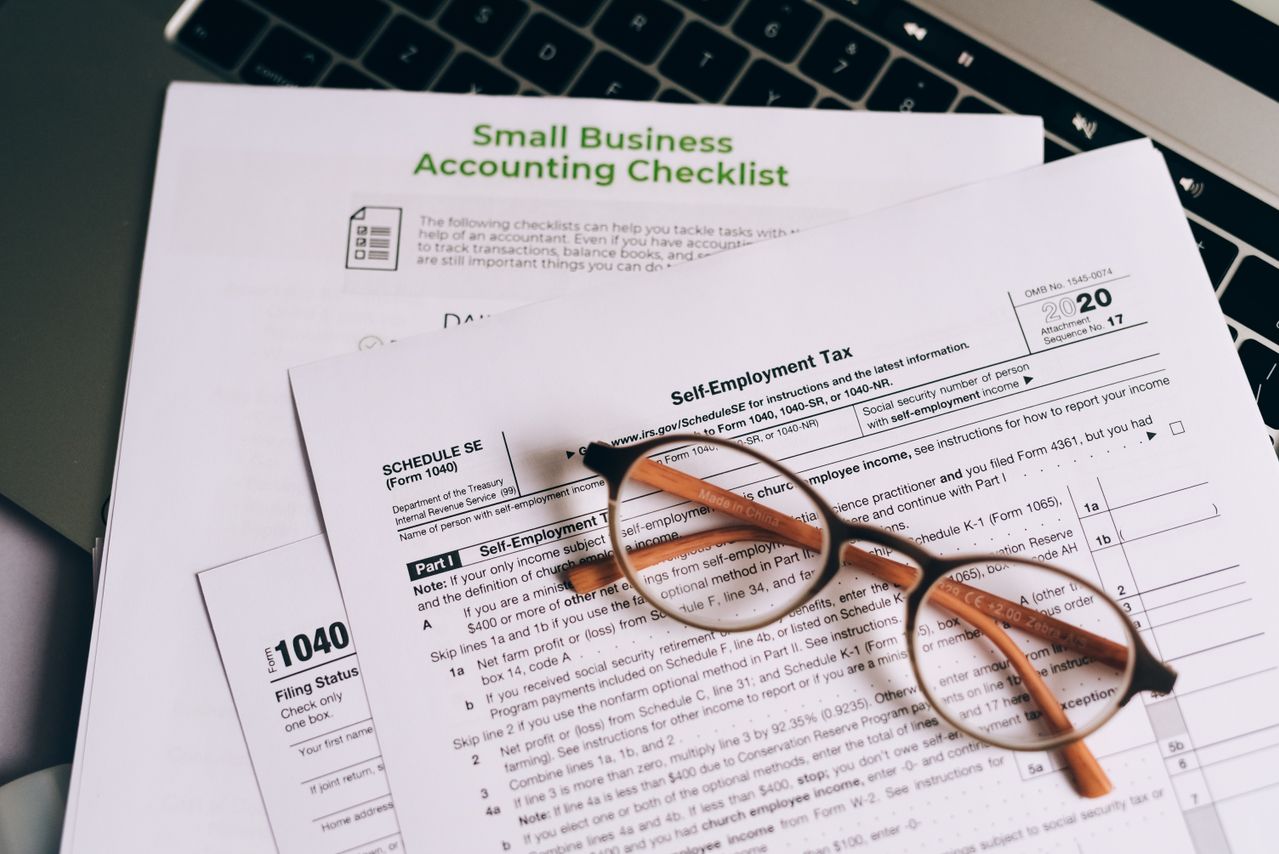
To build a bookkeeping system that actually works, you need four things: a separate business bank account, accounting software connected to it, a weekly habit of categorizing transactions, and a monthly reconciliation. That’s genuinely it. Most small business owners overcomplicate bookkeeping or avoid it entirely, then face a nightmare at tax time. A simple system takes about an hour a week and gives you something far more valuable than tidy records: a clear, current picture of whether your business is actually making money.
This matters less for tax compliance than for visibility. You can’t manage cash flow you can’t see, and cash flow problems are implicated in the large majority of small business failures. Bookkeeping is how you see them coming.
Key Takeaways
- Separate your accounts first, since mixing business and personal money makes bookkeeping miserable.
- Use accounting software connected to your bank so transactions import automatically.
- Categorize weekly, which takes minutes when it’s current and hours when it isn’t.
- Reconcile monthly to catch errors, duplicates, and missing income.
- Set aside taxes as you go in a separate account, not at year-end.
Why Bookkeeping Is Really About Cash Flow
It’s tempting to treat bookkeeping as an annoying tax chore, but the real payoff is decision-making. A widely cited U.S. Bank study, referenced by SCORE, found that poor cash flow management contributes to roughly 82% of small business failures. You cannot manage what you don’t measure. Current books tell you which clients pay late, which services are actually profitable, and whether you can afford that hire, while shoebox-of-receipts bookkeeping tells you nothing until it’s far too late to act.
“In God we trust; all others must bring data.”
— W. Edwards Deming
The Four-Part System
Here’s the whole thing, in order:
- Separate business and personal accounts. Open a dedicated business checking account, and run every business dollar through it. This single step eliminates most bookkeeping pain.
- Connect accounting software. Link it to your bank and payment processor so transactions flow in automatically instead of being typed by hand.
- Categorize weekly. Spend 20 minutes assigning each transaction to a category. Current books take minutes; six months of backlog takes a weekend.
- Reconcile monthly. Match your software’s records to your actual bank statement to catch duplicates, missing income, and errors.
A Simple Bookkeeping Calendar
Turning bookkeeping into a routine is what makes it stick. Here’s a realistic rhythm:
| Frequency | Task |
|---|---|
| Weekly | Categorize new transactions; send invoices; chase overdue ones |
| Monthly | Reconcile accounts; review profit and loss; set aside tax money |
| Quarterly | Pay estimated taxes; review pricing and profitability |
| Annually | Close the books; file taxes; review the year’s trends |
Set Aside Taxes as You Go
This step saves the most pain. Because no employer withholds taxes for you, it’s entirely on you to reserve them, and it’s brutally easy to spend money that was never really yours. The fix is mechanical: open a separate savings account labeled “taxes,” and every time you get paid, immediately move a percentage (commonly 25% to 35%, depending on your situation) into it. When quarterly estimated taxes come due, the money is simply there.
Owners who skip this step routinely find themselves with a tax bill and no cash, which is a self-inflicted crisis.
A Realistic Bookkeeping Turnaround
Consider an illustrative case. Renee ran a growing catering business out of one bank account she also used for groceries and rent. Every April she spent an agonizing weekend untangling a year of mixed transactions, and she genuinely didn’t know which events were profitable. She fixed it in a single afternoon: she opened a business checking account and a separate tax savings account, signed up for accounting software, and connected both. Then she blocked 20 minutes every Friday to categorize the week’s transactions.
Within two months, she discovered something she’d never seen before: that her large corporate events were barely breaking even after staffing costs, while small private parties were highly profitable. She adjusted her pricing accordingly. The bookkeeping didn’t just make tax season painless; it changed what she sold.
Do You Need a Bookkeeper?
Software handles most of the work for a simple business, so many solo owners do fine on their own. Consider hiring a bookkeeper when your transaction volume grows, when you hire employees, or when the hour you’d spend on books is worth more spent on billable work or sales. Even then, a good rule is to stay involved enough to read your own profit and loss statement each month. Outsourcing the data entry is smart; outsourcing your understanding of your own numbers is not.
Frequently Asked Questions
What’s the easiest bookkeeping system for a small business?
A dedicated business bank account plus accounting software connected to it, with weekly categorization and monthly reconciliation. This automated setup handles most of the work and takes about an hour a week to maintain.
How often should I do my bookkeeping?
Categorize transactions weekly and reconcile monthly. Staying current turns bookkeeping into a short, painless routine, while letting it pile up turns it into a dreaded, error-prone marathon.
How much should I set aside for taxes?
Many small business owners reserve 25% to 35% of income, though the right figure depends on your income, entity type, and location. Moving that percentage into a separate tax savings account every time you’re paid is the safest approach.
Can I just use a spreadsheet?
For a very simple business with few transactions, yes. But accounting software that imports transactions automatically saves significant time, reduces errors, and produces the reports you need, so most businesses outgrow spreadsheets quickly.
The Bottom Line
A simple bookkeeping system is four things: a separate business account, connected accounting software, weekly categorization, and monthly reconciliation, plus a tax savings account you fund as you go. It takes about an hour a week and replaces tax-season panic with a clear, current view of your business.
Bookkeeping isn’t about pleasing an accountant; it’s about knowing whether you’re actually making money, and that knowledge is what lets you make better decisions for your business.
Image Credit: Leeloo The First; Pexels





Aaron Heienickle