


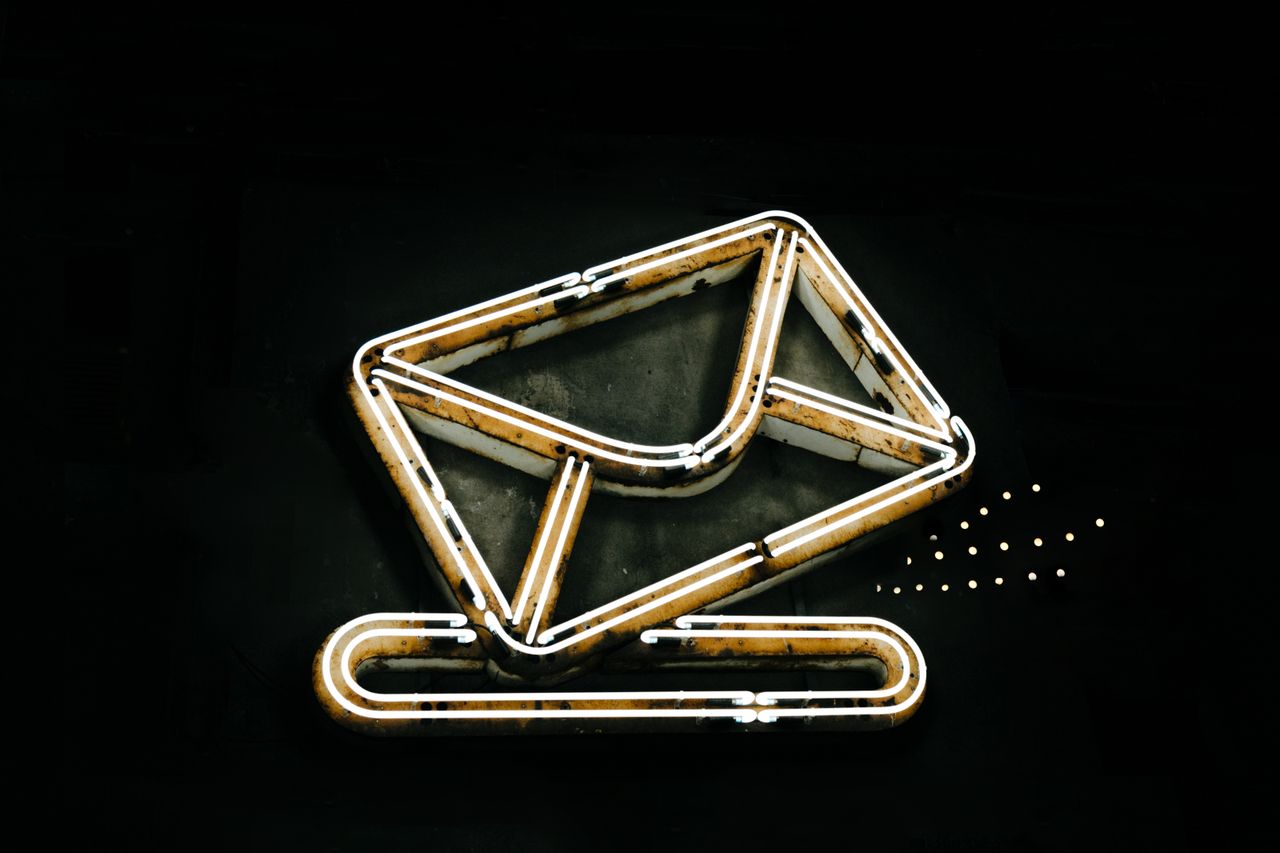
Your inbox isn’t a filing system. It’s a priority signal if you know how to read it. Most people treat email as a reactive storm: respond to what lands, let the rest pile up, feel guilty about both. But high performers use their inbox as a real-time feedback loop about what actually matters. They’ve trained their inboxes to work for them, not against them.
Merlin Mann, productivity researcher, calls the inbox “the captured list of everything the world wants you to do.”
David Allen, author of Getting Things Done, emphasizes that “you can only manage what you can see.” The seven habits below aren’t about email discipline. They’re about building a system where priority is obvious, decision fatigue drops, and you send fewer, higher-impact messages.
-
Process Email on a Schedule, Not in Real-Time
Check email at 10 am, 1 pm, and 3 pm. Not whenever it dings. This is the foundation. You’ve just removed constant context switching and trained your brain to treat email as a batch task rather than an interrupt. Three focused email sessions beat 40 distracted glances. Urgency is a myth; real emergencies find you through other channels.
The first week feels weird. People expect instant replies and won’t get them. By week two, they’ll adapt because they realize you’re actually more thoughtful and accurate. Your response quality improves because you’re not answering while in the middle of a task. Test this with a one-week commitment before judging it.
-
Use Labels (or Folders) as Mini-Contracts
Create 3-4 labels: Waiting (emails where you’re waiting for someone), Needs Thinking (high-stakes decisions), Actionable (something you need to do), Archive. When an email lands, it gets labeled immediately. You’re not reading it fully. You’re sorting the signal. This takes 10 seconds. You’ve created a system that turns your inbox into a work queue.
The magic is in “Waiting.” When someone sends you a “can you decide this by Friday” email, it goes to Waiting. You don’t re-read it three times. You check the label Friday morning, make the call, and move on. You’ve converted email anxiety into a calendar event. This single habit cuts email-induced stress by 60% because you’re not leaving decisions scattered.
-
Unsubscribe From Everything That Doesn’t Tie to Revenue
Weekly newsletters about productivity trends? Gone. Auto-updates from tools you don’t use? Gone. “Check out these job openings” spam? Gone. Unsubscribe rate of 95%. The remaining 5% are newsletters you actually read because they tie to revenue or your core work. Your inbox signal just got 10x sharper because only things that matter can enter.
This hurts the first time. You feel like you’re missing out. You’re not. Three months after aggressive unsubscribing, you won’t miss a single message. You’ll wonder why you tolerated the noise. Use how-to-set-goals to define what actually moves your goals forward, then unsubscribe from everything else.
-
Reply With a Question Instead of a Full Solution
When someone asks you something via email, don’t answer immediately. Ask them a clarifying question back. “What’s the deadline?” or “Which scenario are you leaning toward?” This seems rude. It’s not. You’ve just forced them to think harder before you invest time. Most of your emails are unclear because the sender didn’t think it through.
The second-order effect: people learn that you’re not the “solve-it-immediately” person. They think harder before emailing. Your email volume drops because sender friction has increased. Yes, some back-and-forth happens, but you’ve eliminated the 40% of emails that were half-baked asks. Higher-quality correspondence means better decisions downstream.
-
Template Your Common Responses
You get the same 5-10 types of emails over and over—write a template for each. Get help from ChatGPT if you need to. Have a beautiful, professional email set up and copy and paste where you need to. “Can you do a meeting?” “Can you review this?” “What’s your take on X?” You’re not being robotic. You’re being honest that this type of decision follows a pattern. Template + 2-3 custom sentences takes 90 seconds. A fully custom reply takes 15 minutes—you don’t have that time to waste.
The hidden benefit: because replies are faster, you process email more quickly, which means you hit those 10 am-1 pm-3 pm windows and stay focused for the rest of the day. Templates aren’t lazy; they’re leverage. One product manager at a Series B company cuts email time by 30% just by templating her five most common responses.
-
Move Strategic Conversations Off Email
Big decisions, sensitive feedback, anything with subtext shouldn’t live in email threads. Move it to a meeting or a 10-minute call. You’ve saved yourself from tone misreading and decision ping-pong. Email is great for logistics. It’s terrible for strategy. The high performers we interviewed use email for coordination, not deliberation.
This also reduces email volume by 20% because you’re not asking clarifying questions on something best discussed live. Check how-to-take-meeting-notes to document decisions after that conversation, so email can’t recreate the confusion. Email becomes the record of what was decided, not the place where decisions happen.
-
End Each Email Session With Zero Unread
At the end of your 10 am, 1 pm, and 3 pm email windows, hit inbox zero. Not by deleting things. By processing them. Everything is either responded to, labeled, archived, or turned into a calendar item. You’ve now created a system where your inbox signals today’s priority, not last month’s neglect.
This takes discipline in your first two weeks. After that, it’s automatic. You end your email window and move on. Psychologically, this is massive. Your inbox isn’t a source of shame. It’s a daily ritual. Entrepreneurs who hit inbox zero each day report feeling 40% less email-related stress. The freedom is real.
The Bottom Line
Your inbox is a prioritization engine. But only if you build it intentionally. Start with batching. Add unsubscribe ruthlessness next week. The goal isn’t fewer emails. It’s emails that matter more. When you process intentionally instead of reactively, your calendar reflects your actual priorities, your response quality improves, and the fog lifts. Most people treat email as a problem to tolerate. High performers treat it as a system to engineer.
Image Credit: Maksim Goncharenok; Pexels

Deanna Ritchie
Editor-in-Chief at Calendar. Former Editor-in-Chief, ReadWrite, Former Editor-in-Chief and writer at Startup Grind. Freelance editor at Entrepreneur.com. Deanna loves to help build startups, and guide them to discover their business value and the "how to" of their online content and social media marketing.